

Sepetinizin Ömrü Neden Günlük Alışkanlıklara Bağlıdır?
Vardiyanın ortasında arızalanan bir metal araba yalnızca gecikmelere neden olmakla kalmaz, aynı zamanda değiştirme maliyetlerini artırır, güvenlik riskleri yaratır ve operasyon genelinde iş akışını bozar. Ortalama ticari sınıf metal katlanabilir araba, uygun şekilde bakımı yapıldığında beş ila on yıl boyunca güvenilir bir şekilde hizmet verebilir. Temel bakım olmadan bu pencere önemli ölçüde küçülür.
İyi haber şu ki, araba arızalarının çoğu önlenebilir. Aşınmış tekerlekler, pas lekeleri, gevşek bağlantılar ve bükülmüş çerçeveler nadiren bir gecede ortaya çıkar. Ele alınmayan küçük, düzeltilebilir sorunlardan yavaş yavaş gelişirler. Tutarlı bir şekilde gerçekleştirilen kısa bir bakım rutini, yeni ekipman temin etmek ve personeli yeni ekipman konusunda yeniden eğitmekten çok daha az zaman ve paraya mal olur.
Bu kılavuz, bir arabanın nasıl daha uzun süre dayanabileceğini tam olarak kapsar: günlük inceleme alışkanlıklarından uygun depolamaya kadar, metal katlanabilir arabaları sabit çerçeveli alternatiflerden ayıran katlama mekanizmalarına özel dikkat. İster perakende alanında tek bir arabayı, ister depodaki bir filoyu yönetiyor olun, ilkeler aynı şekilde geçerlidir.
Eğer arıyorsan zorlu ortamlar için tasarlanmış katlanabilir metal arabalar , başladığınız tasarım kalitesi, bakım çabalarının ne kadar sürede sonuç vereceği konusunda tavanı belirler.
Her Vardiyadan Önce Sepetinizi Kontrol Edin
Muayene, herhangi bir bakım programının temelidir ve doğru yapıldığında iki dakikadan az sürer. Amaç, arabayı tamamen topraklayacak bir şeye dönüşmeden önce küçük hasarı yakalamaktır.
Dört temel alana odaklanın: çerçeve, tekerlekler ve ruletler, tüm bağlantı elemanları ve katlanır bağlantılar. Elinizi çerçeve kaynakları ve kenarları boyunca gezdirin; herhangi bir çatlama, bükülme veya olağandışı esneklik tehlike işaretidir. Her bir tekerleği döndürün ve aşınmış aks yatağını işaret eden gıcırtı olup olmadığına bakın veya yalpalamayı izleyin. Tüm somun ve cıvataların elle sıkıldığını kontrol edin; düzenli kullanımdan kaynaklanan titreşim, zamanla yavaş yavaş geri çekilmelerine neden olur.
Özellikle katlanabilir arabalarda, kullanım sırasında arabayı açık tutmak için kullanılan kilitleme mekanizmasını inceleyin. Bu bağlantı, herhangi bir bileşen arasında en fazla mekanik stresi alır; yük altında tekrar tekrar kilitlenir, kilidi açılır ve esner. Tık sesi yumuşak geliyorsa, kilit tam olarak oturmuyorsa veya pivot noktasında gözle görülür bir aşınma varsa, bir sonraki ağır yük vardiyasından önce bir onarım planlayın.
| Kullanım Düzeyi | Muayene Sıklığı | Temel Odak Alanları |
|---|---|---|
| Hafif (ara sıra kullanım, düşük yükler) | Haftalık | Tekerlekler, çerçevede görünür hasar |
| Orta (günlük kullanım, standart yükler) | 2-3 günde bir | Tekerlekler, bağlantı elemanları, katlanır bağlantılar |
| Ağır (çoklu vardiya, maksimum yüke yakın) | Her vardiyadan önce | Tüm bileşenler, özellikle çerçeve kaynakları ve kilitleme mekanizması |
Doğru Çevre için Doğru Yolu Temizleyin
Metal arabalar kullanıldıkları yere bağlı olarak kum, yağ ve kimyasal kalıntı biriktirir. Birikmeye bırakıldığında kirletici maddeler tekerlek yataklarına ve mafsal millerine doğru ilerleyerek aşınmayı tek başına mekanik stresten çok daha hızlı hızlandırır.
Çoğu depo ve perakende ortamı için, her günlük kullanımdan sonra nemli bir bez ve hafif deterjanla silmek yeterlidir. Tekerlek yuvalarına, tekerlek yuvalarına ve döküntülerin birikme eğiliminde olduğu girintili bağlantı noktalarına odaklanın. Doğrudan aks yataklarına yüksek basınçlı püskürtme yapmaktan kaçının; bu, suyu contalardan geçmeye zorlar ve paslanmaya yol açan nem ortamını tam olarak yaratır.
Gıda depolama, sağlık hizmetleri veya sanitasyon uyumluluğu gerektiren herhangi bir ortamda yaklaşım değişir. Metal yüzeyler için güvenli olduğu belirtilen temizleyicileri kullanın; birçok endüstriyel dezenfektan, tamamen durulanmadığı takdirde çelik üzerindeki yüzey korozyonunu hızlandıran klor bileşikleri içerir. Islak temizlemeden sonra arabayı daima iyice kurulayın; Katlanmış bağlantı noktalarında veya istiflenmiş örgü paneller arasında kalan nem, erken pasın başlıca nedenlerinden biridir.
Farklı çalışma ortamlarında metal katlanabilir arabaların temizlenmesine ilişkin ayrıntılı rehberlik için bu döküme bakın. yüksek talepli ortamlarda metal katlanabilir arabaların temizlenmesi ve bakımı nasıl yapılır .
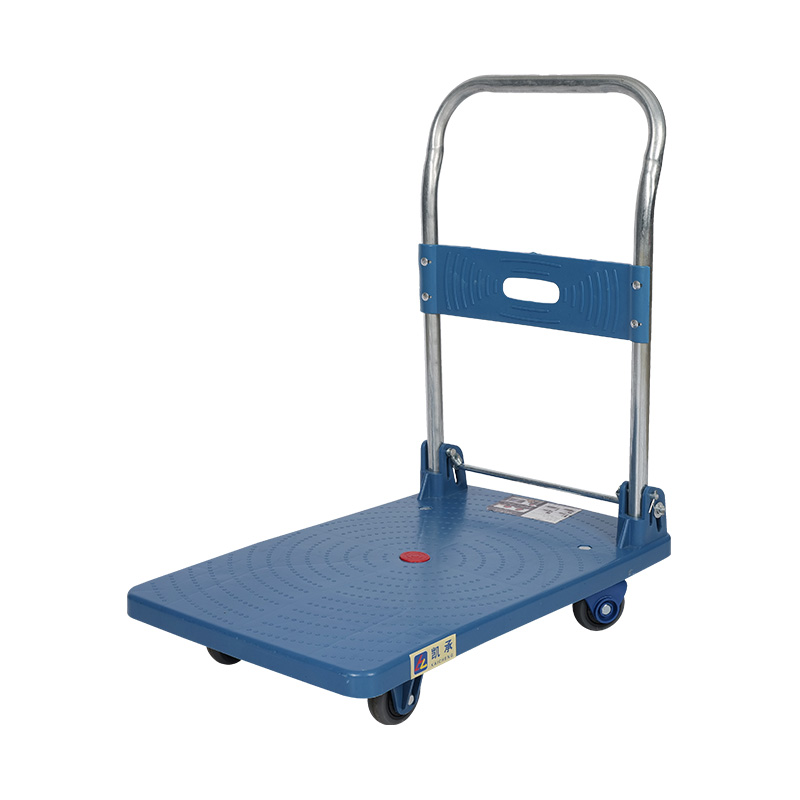
Mafsalları, Tekerlekleri ve Aksları Doğru Şekilde Yağlayın
Yağlama, getirisi en yüksek bakım görevlerinden biridir; birkaç dakika ve birkaç dolarlık yağlayıcı, arabanın kullanılabilir ömrüne yıllar katabilir. En çok fayda sağlayan üç alan tekerlek aksları, tekerlek dönme noktaları ve katlanır pivot bağlantılarıdır.
Akslar ve tekerlek milleri için hafif makine yağı veya silikon bazlı yağlayıcı iyi sonuç verir. Küçük bir miktarı doğrudan yatak yuvasına uygulayın, ardından tekerleği döndürerek uygulayın. Fazlalığı silin; aşırı yağlama, kuru sürtünmeden daha fazla hasar veren aşındırıcı bir macun oluşturan toz ve kumları çeker. Katlanır mafsal milleri için mümkünse kuru yağlayıcı sprey veya PTFE bazlı ürün kullanın; bunlar, trafiğin yoğun olduğu ortamlarda kir yapışmasına yağdan daha iyi direnç gösterir.
Bir program belirleyin ve ona sadık kalın. Orta düzeyde kullanılan arabalar için her dört ila altı haftada bir yağlama genellikle yeterlidir. Yoğun olarak kullanılan arabalar (birden fazla vardiyada, maksimum yük kapasitesine yakın, pürüzlü yüzeylerde) aylık yağlamadan faydalanır en azından. Hızlı püskürtme, çalışma sırasında tutukluk yapan bir tekerleğin teşhis edilmesinden daha az zaman alır.
Pas ve Korozyon: Önlemek Onarımdan Daha Ucuzdur
Pas, yapısal olarak sağlam bir arabanın erken kullanımdan kaldırılmasının en yaygın nedenidir. Oksidasyon yüzey seviyesini aşıp metalin kendisine yayıldığında, yük taşıma kapasitesinden ödün verir ve ticari ortamlarda sorumluluk yaratır. Bunu önlemenin neredeyse hiçbir maliyeti yoktur; Gelişmiş korozyonun tedavisi, arabanın değerinden daha pahalıya mal olabilir.
Kaliteli metal arabaların çoğu, bir tür koruyucu kaplamayla (toz kaplama, galvanizleme veya alüminyum çerçeveler için anotlama) gelir. Bu kaplamalar dayanıklıdır ancak yıkılmaz değildir. Çizikler ve talaşlar tedavi edilmezse nemin giriş noktaları haline gelir. Yüzeyde hasar bulduğunuzda alanı temizleyin, erken oksidasyonu gidermek için hafifçe zımparalayın ve pas önleyici bir astar veya metal yüzeylere uygun rötuş boyası uygulayın.
Yüksek nemin, tuzlu havanın veya kimyasallara maruz kalan ortamlar daha proaktif koruma gerektirir. Bu bağlamlarda, yalnızca tekerlekler ve mafsallar değil, tüm araba yüzeyinin üç ayda bir incelenmesi, bakım takvimine eklenmeye değerdir.
| Kaplama Tipi | En İyi Ortam | Dayanıklılık | Sahada Tamir Edilebilir mi? |
|---|---|---|---|
| Toz Boya | İç mekan/hafif dış mekan, perakende satış, depolar | Yüksek | Evet (rötuş boyası) |
| Galvanizleme (çinko kaplama) | Dış mekan, nemli, tuza maruz kalan ortamlar | Çok Yüksek | Sınırlı |
| Eloksal (alüminyum) | Gıda işleme, kimyasal ortamlar | Yüksek | Hayır |
| İşlenmemiş Çelik | Yalnızca kuru, kontrollü iç mekan kullanımı | Düşük | Evet (sürekli tedavi gerektirir) |
Yüzey işlemlerinin uzun vadeli performansı nasıl etkilediğine daha derinlemesine bakmak için şu makaleyi okuyun: metal arabalardaki korozyon direnci özelliklerinin anlaşılması kaplama türleri arasındaki temel ayrımları ve bunların zorlu ortamlardaki performanslarını kapsar.
Akıllı Yükle, Sağa İt
Bir arabanın nasıl temizlendiği kadar nasıl kullanıldığı da önemlidir. Arabalar aşırı yüklendiğinde, garip açılardan çekildiğinde veya engellerin etrafından dolaşmak yerine engellerin üzerinden geçmeye zorlandığında mekanik aşınma keskin bir şekilde hızlanır. Bunlar uç durumlar değil; çoğu operasyonda araba ömrünü sessizce kısaltan günlük alışkanlıklardır.
Üreticinin nominal yük kapasitesini asla aşmayın. Aşırı yükleme, çerçeveleri aşamalı olarak büker, kaynak noktalarını gerer ve tekerlekleri diğer faktörlerden daha hızlı bir şekilde düzleştirir. Ticari kullanımdaki metal katlanabilir arabaların çoğu, modele bağlı olarak 150 ila 500 kg arasında derecelendirilmiştir; arabanızın nerede bulunduğunu bilin ve eğitim sırasında bu sınırı uygulayın.
Teknik olarak: itmek sürekli olarak daha güvenlidir ve arabaya çekmekten daha az zarar verir. Malzeme taşıma için OSHA ergonomi kuralları Özellikle yatay hareket için arabaların kullanılmasını tavsiye edin ve itmenin daha iyi kontrol sağladığını ve hem operatör hem de ekipman üzerindeki gerilimi azalttığını doğrulayın. Yükleri alçak ve ortalanmış tutun; yüksek, merkezden uzak bir yük, ağırlığı tekerlek noktaları arasında eşit olmayan şekilde kaydırır, eşit olmayan tekerlek aşınmasına ve devrilme riskinin artmasına neden olur.
Ağırlığı bir köşede yoğunlaştırmak yerine yükleri tüm döşeme yüzeyine dağıtın. Kafesli veya çıtalı döşemeli katlanabilir arabalarda, yükleri platforma yüksekten düşürmekten kaçının; darbe gerilimi, katlanır çerçevenin absorbe etmek üzere tasarlandığı gerilimle orantısızdır.
Sepetinizi Yapısını Koruyacak Şekilde Saklayın
Bir arabanın kullanılmadığı zamanlarda nerede ve nasıl saklandığı, ne kadar dayanacağını doğrudan etkiler. Açık havada depolama, örtü altında bile olsa, metali koruyucu kaplamalar aracılığıyla kademeli olarak işleyen nem döngülerine maruz bırakır. Kuru, havalandırılmış bir alanda kapalı depolama her zaman ilk tercihtir.
Katlanabilir arabalarda, arabayı depolamak için katlamak sadece alanla ilgili değildir; aynı zamanda kilitleme mekanizmasını serbest bırakarak ve bağlantı noktalarının nötr bir pozisyonda oturmasına izin vererek çerçevedeki gerilimi de ortadan kaldırır. Bununla birlikte, katlanmış arabanın başka ekipmanın altında istiflenmediğinden, dik durduğundan veya dik durduğundan emin olun. Üstten gelen ağırlık zamanla pivot bağlantı noktalarını sıkıştırır ve katlama geometrisini yanlış hizalayarak kilidin artık temiz bir şekilde oturmamasına yol açar.
Açık havada depolama kaçınılmazsa, alttan hava akışına izin veren su geçirmez bir örtü kullanın. Nemi hapseden örtüler, hiç örtünün olmamasından daha kötü bir ortam yaratır. Kış koşullarında bir arabayı açık hava deposuna geri göndermeden önce, tekerlek yataklarının soğuk sıcaklığa uyumlu bir ürünle yağlandığını doğrulayın; standart makine yağı, donma noktasının altında önemli ölçüde kalınlaşır ve düşük sıcaklıklarda çok az koruma sağlar.
Kolay günlük kullanım için tasarlanmış tek tıklamayla katlanabilir el arabaları minimum mekanik karmaşıklıkla katlanıp açılacak şekilde özel olarak üretilmiştir, bu da depolama döngüleri sırasında bağlantı aşınmasını azaltır; arabanın katlanması ve açılması günde birden çok kez gerçekleşiyorsa pratik bir tasarım düşüncesidir.
Bakım Artık Yeterli Olmadığında
İyi bakım, arabanın ömrünü önemli ölçüde uzatır, ancak değiştirme kararını ortadan kaldırmaz; sadece onu daha da ileriye iter ve zamanlama üzerinde daha fazla kontrol sahibi olmanızı sağlar. Anahtar, bir arabanın "bakımına değer" durumundan "değiştirilmeye değer bir yükümlülüğe" geçtiğinin farkına varmaktır.
Üç sinyal, bir arabanın kullanım ömrünün sonuna ulaştığını gösterir: sıkma sonrasında tekrar ortaya çıkan kalıcı dengesizlik, şasi veya döşemede gözle görülür yapısal deformasyon ve kısa bir süre içinde yinelenen tekerlek arızaları. Birkaç ayda bir tekerleğinin değiştirilmesi gereken bir araba, yalnızca bileşenlerde kötü şans değil, daha geniş aks veya çerçeve hizalama sorunlarının da sinyalini veriyor.
Onarım maliyetleri (parça, işçilik ve arıza süresi) benzer yeni bir ünitenin maliyetinin %50-60'ına yaklaştığında, değiştirme genellikle daha ekonomik bir seçimdir. Daha da önemlisi, tehlikeye atılmış bir araba gerçek bir güvenlik açığı yaratır: Yoğun bir depoda yük altında meydana gelen bir çerçeve arızası, proaktif değişimden çok daha maliyetlidir.
En başından itibaren iyi yapılmış bir araba seçmek, uzun vadeli bakım yükünü azaltmanın en etkili yoludur. İnşaat kalitesi, kaplama türü ve bağlantı tasarımı, bakımın gerçekte ne kadar iş yapması gerektiğini ve ne kadar süreyle etkili kalacağını belirler.


